
What Factors Determine the Ideal Size for an Inflatable Retail Display?
Evaluating the Purpose and Marketing Goals
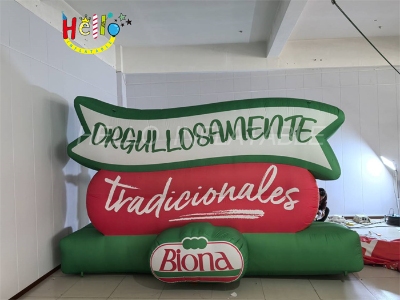
The first step in figuring out the right size for an inflatable retail display is to understand its purpose. The goal may be to boost brand awareness, promote a product, or draw event visitors. The chosen dimensions must match visibility and engagement targets. A large display placed in a good spot can act as a visual landmark. It shares brand identity right away.
In retail settings, scale shapes how people see the brand. Big displays often show confidence and fresh ideas. Small inflatables give a feeling of ease and warmth.
Assessing Available Space and Store Layout
Before you lock in the size, measure ceiling height, aisle width, and customer paths. Displays must never block doors or exits. Good spacing meets safety rules and keeps the store looking balanced.
Air flow and safety space also count. This matters most for models that stay inflated with blowers. The pattern bonds tightly to the material. It forms a tough layer that resists wear. This strength lets displays work well in tight indoor areas without loss of quality.
Balancing Visual Impact with Practical Constraints
Bigger inflatables create stronger visual pull. They need solid anchors and enough floor room. Smaller units suit checkout counters or narrow aisles. Here, customers often stop to look. The goal is to match scale with daily needs. This keeps setup, upkeep, and foot traffic smooth during the whole campaign.
How to Choose the Right Height for Maximum Visibility?
Determining Optimal Viewing Angles in Retail Spaces
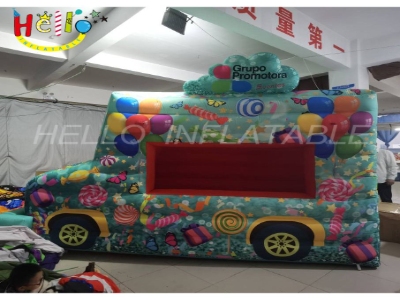
Pick a height that lines up with average eye level or a bit above it. In small stores, this often falls between 1.6 m and 2 m. In open mall spaces, heights can reach 4 m. In multi-level sites, think about how the display looks from upper floors. Views from escalators or balconies can widen reach.
Shelves or lights may block sight lines. Our team uses 3D tools to test viewing angles and optimize the inflatable design before production begins.
Matching Height to Display Type and Message Clarity
Tall vertical inflatables highlight logos or slogans from far away. They work well at entrances or atrium centers. Medium heights fit product zones where shoppers get close. Low tabletop units show seasonal deals at counters without crowding other signs.
High-quality plain twill heat transfer fabric and careful sewing give stable shapes and clean lines. Tall structures stay balanced while branding stays sharp.
Compliance with Safety and Structural Standards
Inflatable displays must follow local fire and building rules for indoor use. Weighted bases or tethers stop tipping. Continuous blowers hold steady pressure and run quietly. This matters in calm retail spots where comfort counts.
How Does Footprint Affect Placement Efficiency and Customer Flow?
Analyzing Floor Space Utilization in Retail Environments
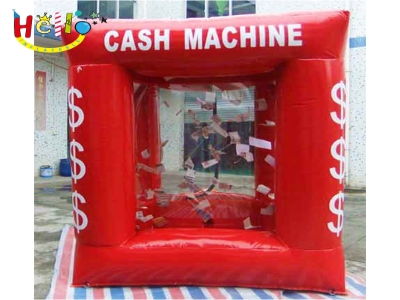
The footprint shows how much walking room stays open around the display. Large bases can crowd busy times. Mapping paths first helps find spots that catch eyes without blocking movement.
HELLO INFLATABLE uses layout software to preview options before setup. This cuts install time and improves exposure.
Choosing Between Freestanding and Wall-Mounted Designs
Freestanding inflatables offer flexibility. They need firm anchor points on flat floors. Wall or ceiling models save floor space while keeping high visibility. Check ceiling load limits before hanging any unit under constant air pressure.
No circuit chips or code are needed. Only air and color turn the model into a symbol of modern design. This idea shapes our light build method. Both freestanding and hanging versions deliver strong impact with low structural weight.
Integrating Inflatable Displays into Existing Merchandising Layouts
Good integration calls for teamwork between visual teams and store planners. Displays should support nearby products instead of competing with them. Matching colors across signs, shelves, and inflatables builds a clear brand story.
Test spots with pilot setups. This shows which places gain higher engagement from foot traffic data.
Where Should Inflatable Retail Displays Be Positioned for Maximum Impact?
Entrance Zones: Capturing Initial Customer Attention
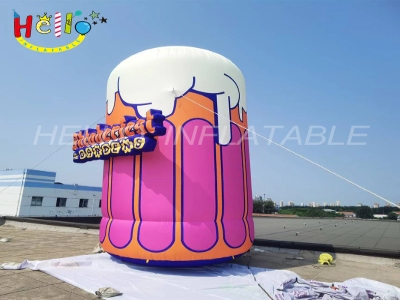
Entrances give prime space for large inflatables. They grab the attention of people passing by. Match themes with seasonal offers. A floral design can fit spring sales, while brands planning Christmas inflatables 2026 campaigns can use festive figures, gift boxes, ornaments, or branded holiday characters.
Keep paths open while the display stays visible from outside windows. This balance defines strong entry placement.
Product Areas: Enhancing In-store Experience and Conversion Rates
In product zones, medium inflatables can echo the shape or color of featured items. Arrows or bright tones can guide shoppers to key merchandise areas.
Lighting paired with see-through materials creates dynamic effects. HELLO INFLATABLE offers embedded LED options that match store lighting for a rich display.
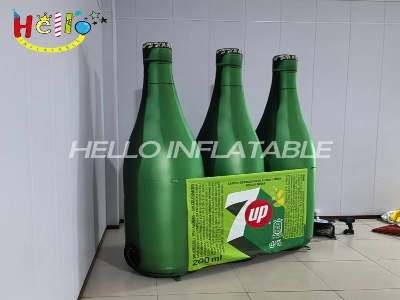
Event Spaces: Leveraging Temporary Installations for Brand Activation
Short-term setups at pop-ups or trade shows gain from quick inflation systems. These allow fast assembly and pack-up in minutes. Lightweight and quick production in 3 to 7 days keeps costs low. This speed helps short campaigns where fast setup drives results like visitor time and turnover.
How does HELLO INFLATABLE Supports Custom Sizing and Design Optimization?
Tailoring Dimensions to Specific Retail Requirements
We provide full custom height, width, and footprint options that match store needs. 3D previews let clients check final looks before production starts.
Our modular build adapts to many retail formats. Boutique spaces and large halls both keep steady brand presentation.
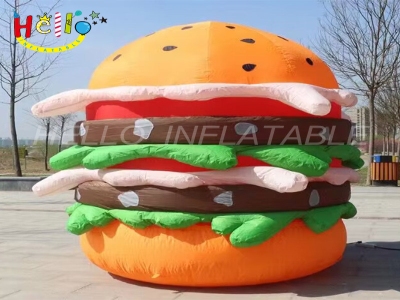
Material Selection and Durability Considerations
Durability supports long use under repeated inflation. Special thermal transfer fabric with double-layer reinforcement raises wind resistance by 60 percent. High-definition patterns stay bright and detailed without fading. UV coatings protect color under strong indoor lights.
Reinforced seams limit air loss during long promotions. This matters for seasonal runs that last weeks without daily checks.
Collaboration Process with Retail Designers and Marketers
Our team works with visual merchandisers from planning to final install. We check stability, size fit, and visual balance in real store settings. Full quality checks run from design to finish. Ongoing input keeps each inflatable aligned with campaign goals.
FAQ
Q: What size of inflatable retail display works best for small stores?
A: Compact displays under 2 m tall fit well near checkout counters or promo tables. They avoid blocking flow while keeping clear views across aisles.
Q: How can I determine the right height for an inflatable retail display in a mall?
A: Measure ceiling clearance first. Choose heights that can be seen from several spots yet stay safely below lights. Typical ranges run from 2 m to 4 m based on needed visibility.
Q: Are large inflatable retail displays safe for indoor use?
A: Yes. Anchor them with weighted bases or tethers that meet local codes. Follow the maintenance steps in the HELLO INFLATABLE guides.
Q: Can inflatable retail displays be customized by shape and size?
A: Yes. Our process supports full changes to size, shape, color, texture, logos, and lighting. All options go through digital checks before build.
Q: How does placement influence the effectiveness of an inflatable retail display?
A: Good spots near doors or busy crossings raise exposure. Poor spots behind blocks cut both visibility and engagement, even if the design is strong.