
Inflatable Design Guide: How to Create Your Own Custom Inflatable Shapes
A helpful guide for planning, building, making, and deploying custom shape inflatables. These items work well for events, marketing campaigns, and branded areas.
An inflatable succeeds when people can easily recognize its outline from far away. The physical structure must remain steady during actual weather conditions. Furthermore, the outer surface should express a single clear message. You must establish a few things before picking out fabrics or an air blower. Identify your target viewers and the expected viewing distance. Note the required floor space and the setup time. Finally, decide what specific action the crowd should take. These early choices will transform a simple drawing into a functional custom inflatable design.
What should you define before you create your own inflatable?
Begin your project with a brief design outline. Note the exact display location. Specify whether the item is for indoor or outdoor application. You should also record the desired height, folded dimensions, available power sources, daily running hours, and primary viewing angles. When dealing with custom-made inflatables, you need to list several extra details. These include logo positioning, specific color codes, required safety text, and entry zippers. Do not forget to note the tie-down spots and the final delivery deadline. Providing accurate details early will minimize later changes. This information also helps the factory calculate material usage, stitching requirements, required fan power, and shipping logistics.
How do custom inflatable shapes move from sketch to production?
The manufacturing journey involves four connected phases. First, designers build a properly scaled 3D model. Next, they create flat pattern sections around internal air chambers and entry areas. Third, the team prepares the visual artwork for digital printing or physical stitching. Finally, workers inflate a test unit to evaluate its physical balance and inspect the seams. Our manufacturing expertise highlights three main materials. These are PVC Oxford fabric, PVC tarpaulin, and rip-stop nylon. Selecting the right material relies on several factors. You must consider scratch resistance, overall weight, airtightness, and surface appearance. The decision also depends on whether the unit is completely sealed or requires a running blower.
A reliable review process follows a set path. It starts with a basic sketch and moves to a measured drawing. Then, you review a 3D image, a printed color test, and an actual physical prototype. The final step is the official manufacturing approval. During each review phase, you should examine the product from identical viewing angles. You must also maintain an updated log of all modifications. This careful tracking stops a last-minute logo adjustment from ruining the physical balance of a character’s head. It also prevents unwanted shifts in zipper locations or blocked air blower vents. Furthermore, this documented history provides your event staff with accurate details for their setup preparations.
Which materials and construction details make an inflatable reliable?
Oxford fabric works exceptionally well for tough, stitched builds. Tarpaulin provides a very sleek surface for marketing messages. Rip-stop nylon is a great option to lower the total weight. You should always request extra reinforcement at heavy stress zones. Make sure to ask for covered zippers, twin-needle stitching, and a handy repair kit. Your order must include a correctly sized blower, secure ropes, heavy sandbags, and a durable carrying sack. Clear operating guidelines are also essential. Outdoor custom shape inflatables require sturdy ground anchors and shielded power plugs. They also need clearly stated weather restrictions. Safety certifications might involve official documents from SGS, EN71, EN14960, or TUV.
You should ask the supplier about proper folding and drying methods after an event. Water trapped inside a packed unit will damage the printed graphics and the base material. Hard creases can simultaneously put too much pressure on the stitched joints. A smart maintenance routine involves using a spotless, dry area for packing. You should gently wipe down the surface and ensure total dryness. Always store the equipment far away from high temperatures and pests. If you manage traveling exhibitions, you must clearly label the air fan, the weights, the patching kit, and the manual. This organization helps your field workers assemble the display perfectly at every new location.
How can you design custom inflatable animals and characters that people remember?
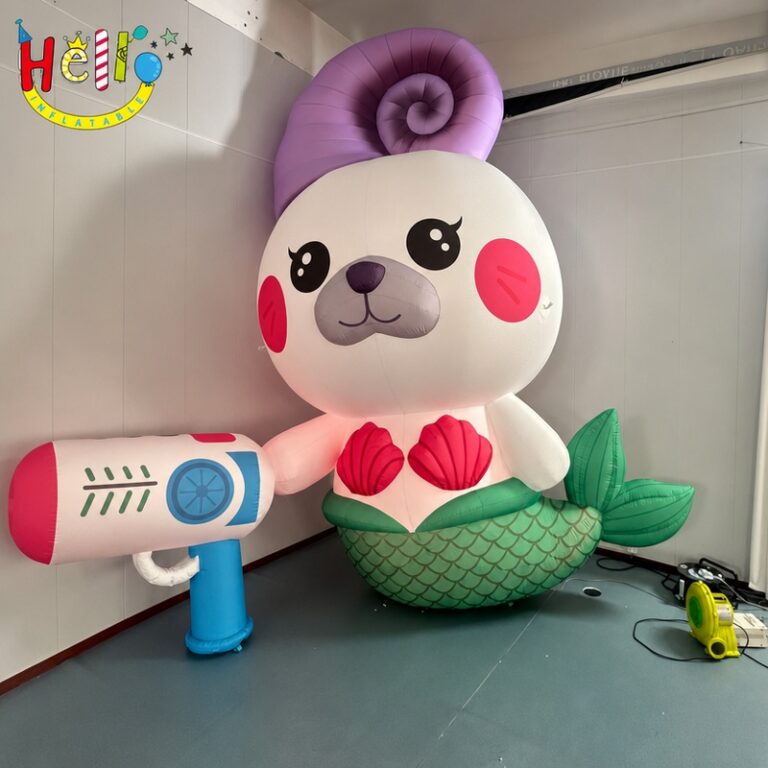
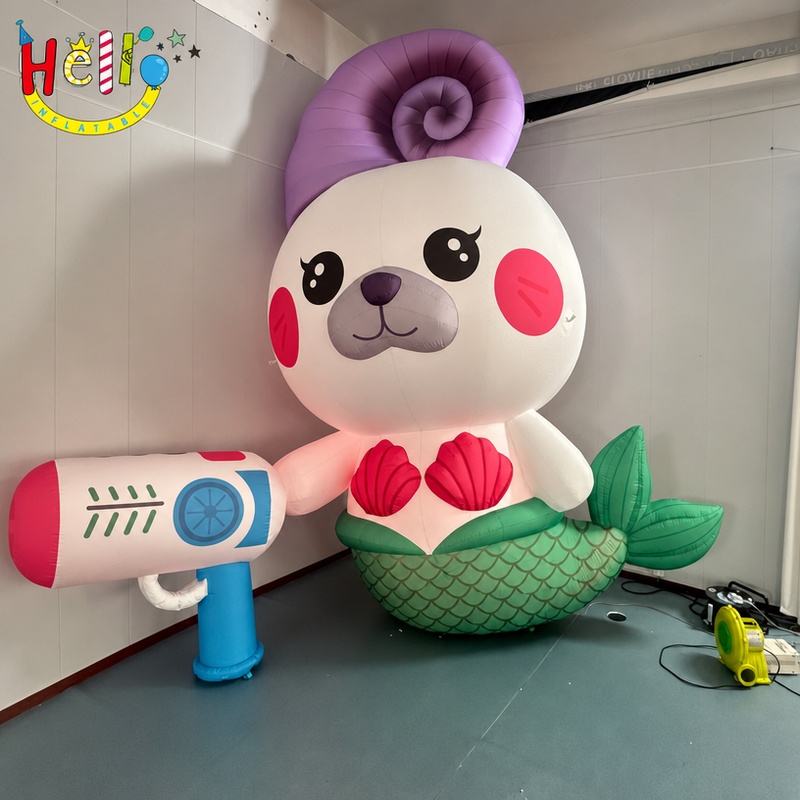
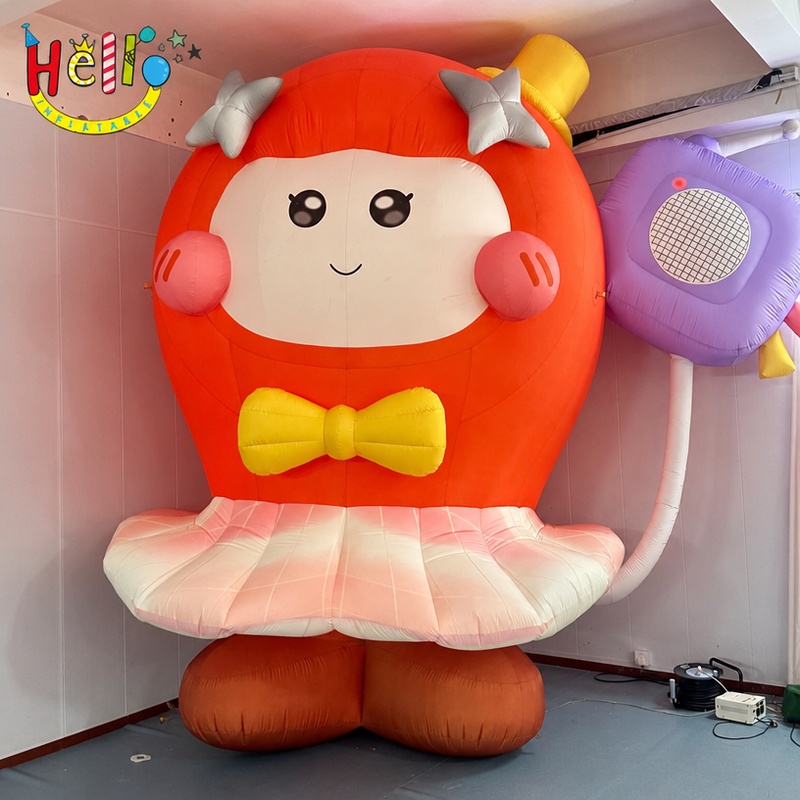
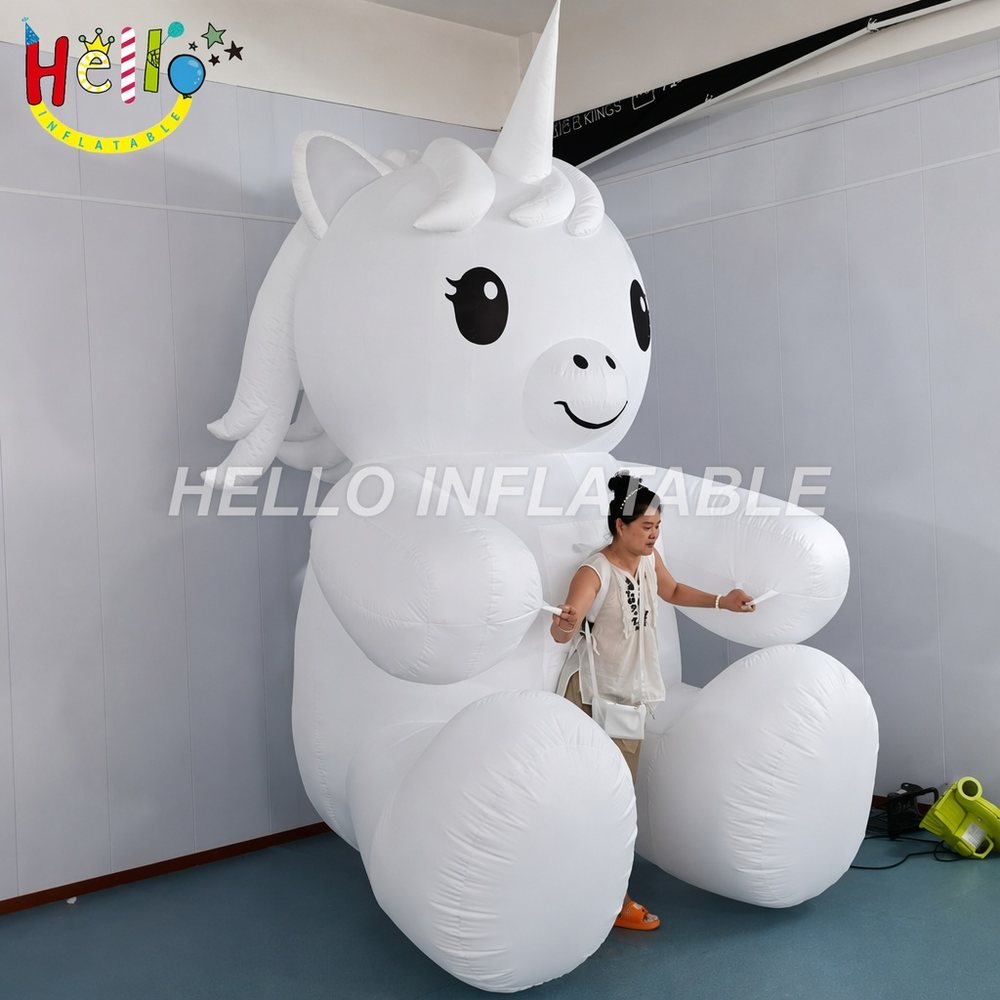
Start your concept by focusing on one primary visual trait. This main element might be an extended neck, massive ears, a welcoming smile, or a dynamic stance. Amplifying these features greatly boosts instant recognition. However, tiny design elements will simply vanish once the item fills with air. You should apply highly contrasting colors for the eyes and mouth. Ensure that all printed text remains quite large. Always check the basic outline by viewing it as a solid black image. Our custom inflatable animals are easily modified for brand introductions, local festivals, and athletic events. They also work perfectly for dedicated photography areas and traveling marketing campaigns.
What should you test before approving custom-made inflatables?
You must set up the test model in its actual planned setting. Once it is up, evaluate its visual size, physical steadiness, entry ease, and general upkeep needs. Verify that the mechanical blower operates smoothly without stopping. Ensure that all the tie-down rings are easy to reach. You also need to confirm that the fully deflated bundle fits into your vehicles and storage rooms. Your ultimate review list needs to include several items. Check the printed color accuracy and inspect the joint stitching. Verify the correct electrical voltage for the fan and count the required holding weights. Finally, review the stated wind limits, the patching guide, and any spare banners.
Furthermore, you should evaluate the physical experience for your guests. Confirm that the main doorway offers enough width for easy passage. Observe if attendees can take pictures of the entire structure without walking into dangerous zones. Look around to see if adjacent banners or bright lights clash with your core message. During a corporate marketing event, you should keep one side completely clear for photographs. You must also designate a hidden maintenance area at the rear of the structure. These practical considerations frequently decide if a nice concept actually becomes a valuable promotional tool.
How does HELLO INFLATABLE support a custom inflatable design project?
We merge product drafting, physical manufacturing, and customer support into a single smooth process. The product lineup features cartoon models, animal figures, large arches, and event stages. We also produce air tubes, projection screens, shelter tents, commercial signs, and wearable mascot suits. We easily convert rough drawings into precise manufacturing blueprints. Our team will suggest the best fabrics for your specific needs. HELLO INFLATABLE supplies the matching air fans, strong cables, heavy sandbags, fixing kits, and transport sacks. Our proven business assets feature a massive 4,000-square-meter manufacturing facility. We employ a specialized drafting team and possess extensive shipping experience. This shipping experience covers China, Europe, Central America, and Southeast Asia.
When purchasers evaluate different manufacturers, they should request much more than a simple picture. You must ask for the final inflated measurements and the folded shipping size. Request the exact fabric details, air fan specifications, and safety certificate records. You should also demand a visual printing layout, the expected manufacturing time, and the official guarantee policy. Do not forget to ask for a complete list of all bundled accessories. A factory that provides clear answers to these questions is much easier to manage. This clarity helps greatly if a location suddenly alters its available space or if you quickly need a spare component. Therefore, the finest custom inflatable design remains visually unique while being thoroughly documented for daily operations.
FAQ
Q: What is the best material for custom inflatable shapes?
A: The ideal choice relies on total weight, scratch resistance, air-holding ability, surface look, and intended application. PVC Oxford fabric, PVC tarpaulin, and rip-stop nylon serve as the most standard choices.
Q: How long does it take to create your own inflatable?
A: The production timeframe changes based on structural difficulty, graphic preparation, prototype testing, and total order volume. Supplying a precise project outline and quickly approving the visual tests will greatly reduce the waiting period.
Q: Can custom inflatable animals be used outdoors?
A: Yes, they function well outside. However, you must specifically verify the physical build, the air fan, the ground stakes, and the holding weights for exterior environments. You also need proper electrical shielding and strict weather operating rules.
Q: What should I send for a custom inflatable design quote?
A: You should provide your initial drawings, exact measurements, specific colors, and company logos. Please also include the primary viewing angles, the installation site, the desired amount, the electrical setup, and your required deadline.